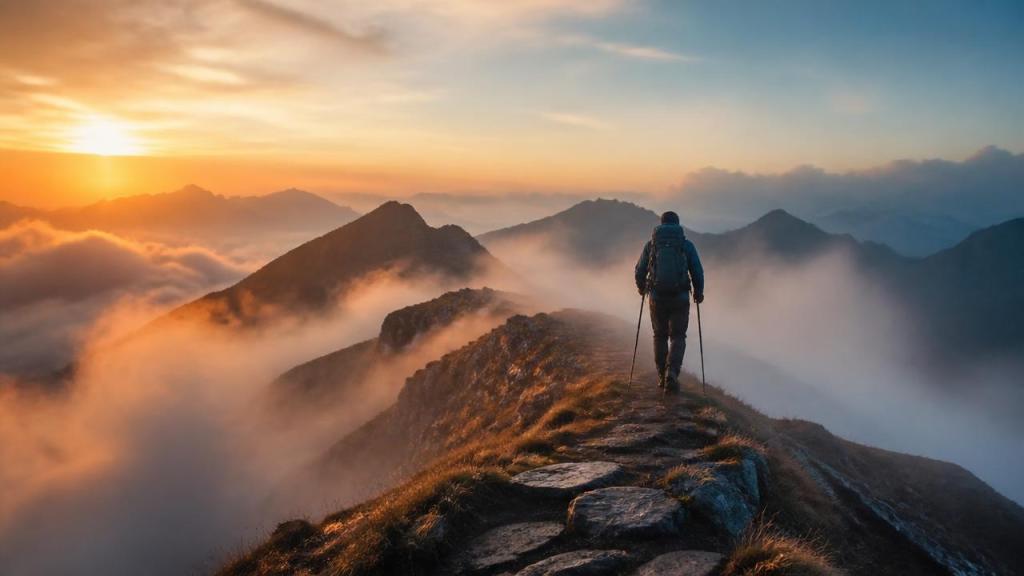
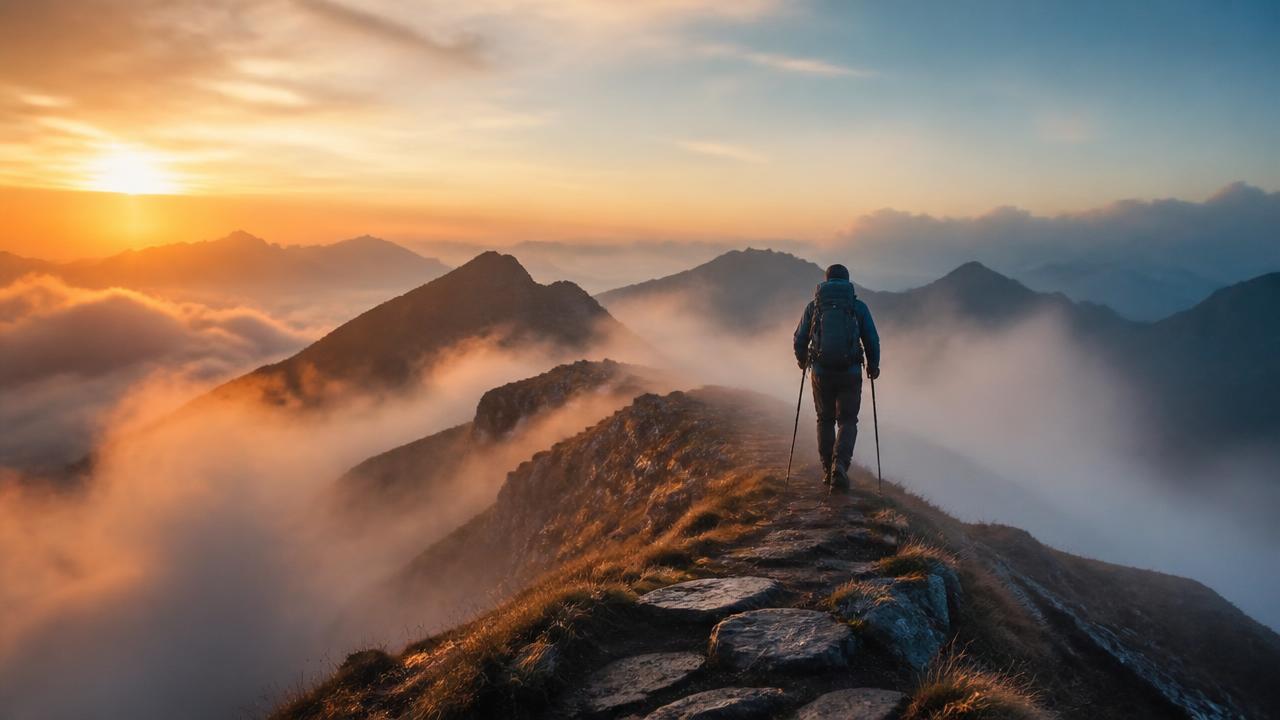
The first night you spend completely alone in the backcountry, every sound is a bear. By the second morning, coffee tastes better than it ever has. Something shifts when it’s just you, your pack, and the trail.
Start smaller than your ego wants
Pick a trail you already know, one night, well within cell range or on a popular route. The goal of a first solo trip isn’t epic mileage — it’s learning what your own company feels like when nobody’s watching.
The safety stack
Solo means redundant: tell someone your exact route and return time, carry a map and compass (and know how to use them), bring a satellite messenger if you’re heading deep, and pack a real first aid kit. Check the forecast twice. Turn around without shame — the mountain keeps.
What nobody tells you
Time behaves differently alone. You’ll stop when a view hits, eat when you’re hungry, and notice things — a fox’s tracks in the mud, the exact moment the wind changes — that conversation would have drowned out. Many solo hikers keep a small notebook; by nightfall, you’ll have things to say to it.
Come back and you’ll walk a little taller. Not because it was hard, but because it was yours.


Leave a comment